

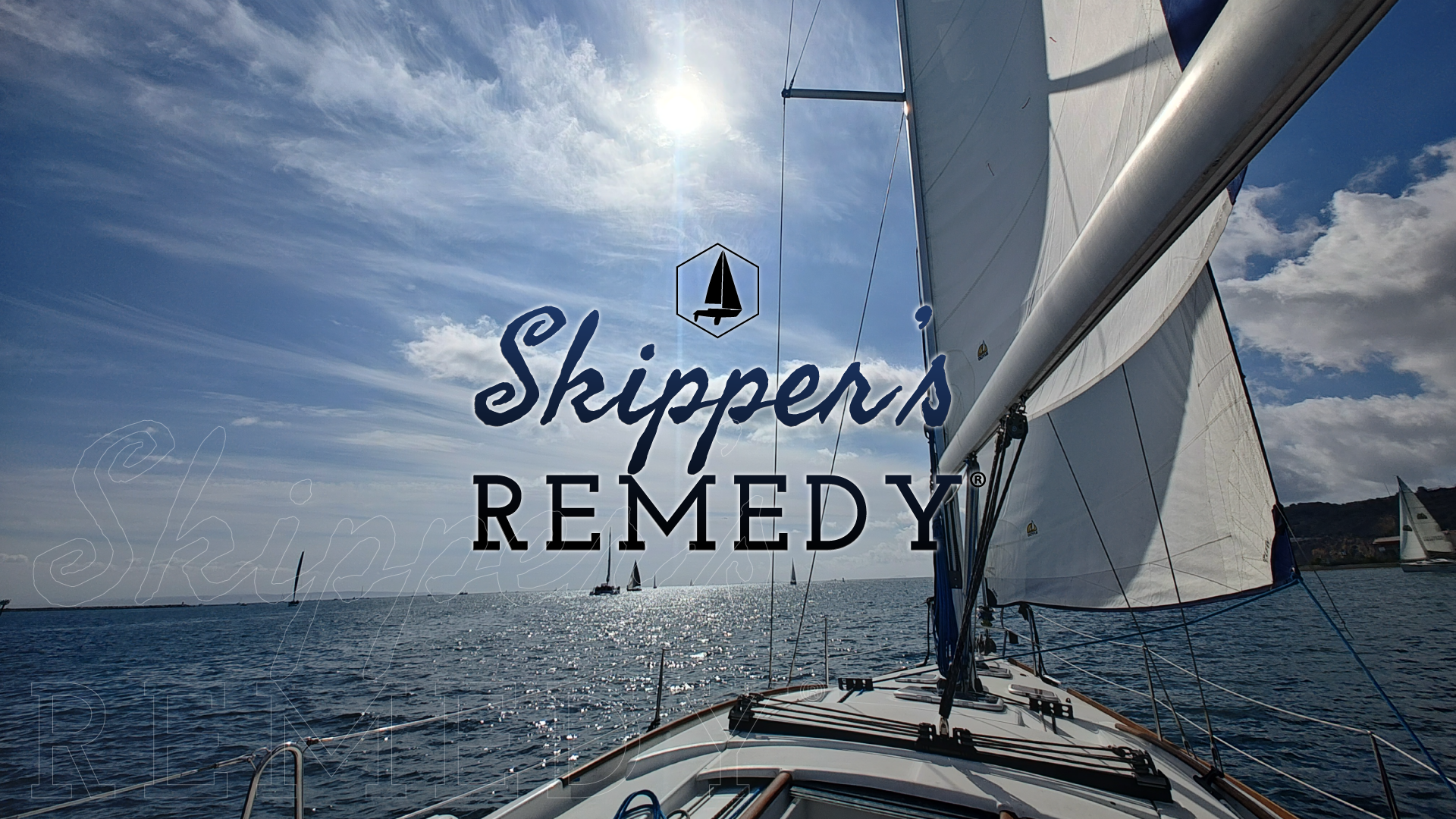
Some lessons are best learned with a whiteboard. Others require a little wind, a moving boat, and the occasional reminder that Mother Nature did not receive your itinerary.
There’s something remarkable about stepping aboard a sailboat.
One moment, you’re standing on solid ground, discussing concepts like leadership, communication, problem-solving, and decision-making. The next, you’re out on the water, discovering that those concepts have a funny way of becoming very real, very quickly.
The wind shifts. The boat heels. Someone asks which line to pull. The clouds on the horizon look a little more interesting than they did ten minutes ago.
Suddenly, the lesson plan has changed. Welcome to sailing.
At Skipper’s Remedy®, we believe some of life's most valuable lessons happen beyond the classroom ...in the places that challenge us to think differently, work together, and discover what we're capable of doing.
A sailboat is more than a vessel. It's a floating classroom where theory meets reality, teamwork meets responsibility, and adaptability becomes more than a buzzword on a business presentation. And unlike a traditional classroom, there's no guarantee the conditions will cooperate with your learning objectives.
Let's explore what sailing can teach us ...and why these lessons extend far beyond the water.
1. Adaptability: Learn to Adjust Your Sails
In a classroom, you can often follow a lesson plan from beginning to end. On a sailboat, the wind has other ideas.
Conditions change. A favorable breeze becomes a challenge. A planned route needs reconsideration. A maneuver that worked beautifully an hour ago may no longer be the right choice.
Sailing teaches you to observe, reassess, and adapt. You learn that success isn't always about sticking to the original plan. Sometimes it's about recognizing when the plan no longer serves you.
The lesson: Adaptability isn't abandoning your goals. It's finding a better way to reach them when circumstances change. That applies whether you're navigating a sailboat, managing a project, leading a team, or trying to get everyone out the door on time.
2. Problem-Solving: Make the Most of What's Aboard
Out on the water, you can't always run to the hardware store, call a technician to the boat, or search for an immediate replacement.
You have the equipment, knowledge, and resources you've brought with you.
Something doesn't work as expected? You need to understand the problem, evaluate your options, and determine a safe, practical response.
Sailing encourages a hands-on approach to problem-solving. You learn to work with what you have, recognize your limitations, and distinguish between an inconvenience and a problem that requires a more serious response. And sometimes, the best solution is knowing when not to improvise.
The lesson: Resourcefulness means finding workable solutions while understanding when a problem requires additional expertise, equipment, or a change of plan. It's a useful skill anywhere resources are limited and the stakes matter.
3. Teamwork: Sailing is a team activity
A sailboat has only one skipper, but a successful crew depends on everyone.
Someone watches the sails. Someone handles the lines. Someone keeps an eye on traffic and changing conditions. Everyone needs to understand what's happening and how their actions affect the boat.
Communication matters. Coordination matters. Trust matters.
And so does remembering that shouting instructions isn't necessarily the same thing as communicating effectively. A crew works best when people understand their roles, ask questions when uncertain, listen carefully, and support one another.
The lesson: Strong teams aren't built by expecting everyone to know everything. They're built by making it possible for everyone to contribute, communicate, and learn. That principle works just as well in a workplace, a family, or a group of friends planning a weekend adventure.
4. Leadership: Take Responsibility at the Helm
Leadership becomes tangible when decisions have real consequences.
A skipper must consider the crew, the vessel, the weather, surrounding traffic, and the options available. Sometimes decisions must be made quickly. Sometimes the best decision is to slow down, gather more information, or change course.
Good leadership isn't about pretending to have every answer. It's about assessing the situation, communicating clearly, taking responsibility, and helping the crew move forward safely. It's also about knowing when to listen to someone else's perspective.
The lesson: Leadership isn't simply being in charge. It's being accountable for your decisions and the people affected by them. A sailboat provides opportunities to practice that responsibility in a setting where preparation, judgment, and teamwork genuinely matter.
5. Resilience: Recover, Reassess, Keep Learning
Not every maneuver goes perfectly. You might misjudge a turn, struggle with a knot, misunderstand an instruction, or discover that a technique requires more practice than you expected.
Welcome to learning. Sailing makes it difficult to hide from mistakes. The boat responds to what you do, and the results offer immediate feedback. The trick is not to become discouraged when something goes wrong. It's to understand what happened, learn from it, and improve your next attempt.
Of course, learning from mistakes doesn't mean ignoring safety or repeating a risky maneuver just to prove a point. It means reflecting honestly and developing better judgment.
The lesson: Resilience is the ability to recover, learn, and move forward without pretending the setback never happened. That's useful on the water, at work, and pretty much everywhere life refuses to follow the script.
6. Patience: Nature Doesn't Check Your Calendar
You can schedule a departure time.
You can plan a route.
You can prepare the boat and brief the crew.
But you cannot schedule the wind to arrive precisely when you want it.
Sailing teaches patience because progress depends on conditions beyond your control. Sometimes the breeze builds gradually. Sometimes the route takes longer than expected. Sometimes waiting is the wisest decision.
You learn to distinguish between what you can influence and what you simply have to accept.
The lesson: Patience isn't passive. It's the ability to remain attentive, make thoughtful decisions, and resist the urge to force an outcome that isn't ready. It's also a wonderful reminder that not everything worth doing needs to happen at maximum speed.
7. Self-Confidence: Discover What You're Capable Of
There's a special satisfaction in accomplishing something that initially felt unfamiliar.
Perhaps it's tying a knot correctly, trimming a sail, reading a chart, or helping execute a maneuver with your crew.
Each new skill adds another piece to your confidence.
But sailing also teaches an important distinction: confidence doesn't mean assuming you know everything. It means understanding what you know, recognizing what you don't, and trusting yourself to make informed decisions within your abilities.
The lesson: Confidence grows through preparation, practice, honest self-assessment, and experience. You don't need to know everything before you begin. You need to be willing to learn.
8. Risk Management: Think Before You Act
On a sailboat, decisions involve more than convenience.
Weather, visibility, currents, vessel traffic, equipment condition, crew experience, and fatigue can all affect the safety of a voyage.
Sailing encourages you to evaluate risks before they become problems.
What could go wrong? How likely is it? What would the consequences be? What can you do to reduce the risk? When is it wiser to delay, turn back, or seek help?
These aren't questions reserved for emergencies. They're part of responsible preparation and everyday seamanship.
The lesson: Good decisions aren't about eliminating every risk. They're about understanding the risks, preparing appropriately, and knowing when the potential cost is too high. Sometimes the bravest decision a skipper makes is calling off the voyage.
9. Environmental Awareness: Become a Student of the Natural World
Sailing puts you in direct contact with the environment.
You begin noticing subtle changes in the wind, cloud formations, the movement of water, tidal patterns, and the relationship between weather and local conditions.
You also develop a greater appreciation for marine life and the ecosystems that make these adventures possible.
The ocean stops being scenery and becomes an active part of the experience ...powerful, interconnected, and worthy of respect.
The lesson: Environmental awareness deepens when you experience how closely human activities are connected to the natural world. It also encourages responsibility: preventing pollution, managing waste properly, respecting wildlife, and leaving the places we visit in good condition. At Skipper’s Remedy®, we believe enjoying the water comes with an obligation to care for it.
10. Practical Skills: Put Knowledge to Work
Some lessons become meaningful only when you put them into practice.
Sailing offers opportunities to learn navigation, knot-tying, sail handling, weather awareness, boat maintenance, and safe onboard procedures.
Reading about a knot is useful. Tying it correctly when you need it is another experience entirely.
Understanding a chart is important. Applying that knowledge to a real passage adds context and responsibility.
And learning how to handle equipment safely requires more than memorizing a list of steps.
The lesson: Practical skills become more reliable through repetition, feedback, and experience in appropriate conditions. The goal isn't simply to know what to do. It's to build the competence to do it thoughtfully and safely.
11. Critical Thinking: Observe Before You Decide
A sailboat constantly provides new information.
The wind shifts. The water changes. Other vessels move through the area. The weather forecast meets the reality outside the cockpit.
You must interpret what you're observing, consider what it means, and decide whether your current approach still makes sense.
That requires more than recalling facts. It requires connecting information, questioning assumptions, and adjusting your understanding as new evidence appears.
The lesson: Critical thinking means making decisions based on observation and evidence rather than relying exclusively on what you expected to happen. The best sailors don't simply follow a plan. They continually check whether the plan still fits the conditions.
12. Communication: Make Sure the Message Gets Through
On the water, unclear communication can create confusion at exactly the wrong moment.
Instructions need to be understandable. Crew members need to know their responsibilities. Questions and concerns need to be heard.
A good communicator doesn't simply issue directions. They check for understanding, listen to feedback, and create an environment where people can speak up when something isn't clear. And yes, sometimes that means replacing a complicated explanation with a few well-chosen words.
The lesson: Communication succeeds when the other person understands what you mean ...not merely when you've finished talking. That may be one of the most valuable lessons a crew can bring back to the workplace.
13. Humility: You Don't Control the Wind
Sailing is a useful antidote to the belief that determination alone can control every outcome.
You can prepare carefully, make thoughtful decisions, and develop your skills. You can influence how you respond to conditions.
But you cannot command the weather, flatten the waves, or guarantee that everything will go according to plan. Recognizing those limits isn't weakness. It's sound judgment.
The lesson: Humility means understanding the limits of your control while taking responsibility for the things you can influence. You can't order the wind to cooperate. You can learn how to sail responsibly in suitable conditions ...and when it's time to stay ashore.
14. Emotional Regulation: Keep Your Head When Things Get Busy
A challenging situation can bring excitement, frustration, fear, or uncertainty. Those feelings are normal. The important part is how you respond to them.
Sailing gives you opportunities to practice pausing, assessing the situation, listening to instructions, and focusing on the next appropriate action instead of reacting impulsively. It also teaches you to recognize when stress, fatigue, or anxiety may be affecting your judgment.
The lesson: Staying calm doesn't mean feeling nothing. It means managing your response well enough to make thoughtful decisions. And if you need a deep breath, a moment to regroup, or a quick cup of coffee after the boat is safely settled, we're certainly not going to argue.
15. Learning From Failure: Every Mistake Can Teach You Something
A mistake can be frustrating, especially when you thought you had everything figured out. But experience gives you something a textbook alone cannot: feedback from the real world.
Why didn't the maneuver work as expected? Was the timing wrong? Did you misunderstand an instruction? Did the conditions change? Was there a safer or simpler approach? Reflecting on those questions turns an unsuccessful attempt into a learning opportunity.
The lesson: Failure becomes useful when you examine it honestly, make corrections, and apply what you've learned. Not every mistake needs to become a grand life lesson. Sometimes you simply need more practice. That's fine, too.
16. Patience With Uncertainty: Respond, Don't Overreact
Sailing rarely offers perfect information. You may have a forecast, a route plan, and a reasonable understanding of the conditions, but uncertainty remains.
You learn to monitor what is happening, recognize when new information matters, and avoid making unnecessary decisions simply because you want certainty.
The lesson: You can acknowledge uncertainty without allowing it to dictate every move. Good judgment often means staying attentive, keeping options open, and responding as the situation develops.
17. Systems Thinking: Everything Is Connected
A sailboat is a system of interacting parts. Wind affects the sails. Sail trim affects boat performance. Currents influence progress over the ground. Equipment condition affects reliability. Crew decisions affect safety. Weather influences nearly everything.
Changing one element can have consequences elsewhere. That makes sailing a powerful exercise in systems thinking: understanding how individual components interact to influence the larger outcome.
The lesson: Before changing one part of a system, consider how that change might affect everything connected to it. It's a valuable perspective for product design, engineering, operations, business strategy, and everyday problem-solving.
18. Shared Responsibility: Every Crew Member Matters
On a boat, responsibility doesn't disappear simply because a task belongs to someone else.
Everyone has a role in maintaining awareness, following safety procedures, communicating concerns, and looking out for the crew. A missed instruction, an unsecured item, or an overlooked change in conditions can affect more than one person.
The lesson: Being part of a team means understanding that your actions can affect the safety, effectiveness, and experience of everyone around you. That doesn't mean everyone must do everything. It means each person takes their responsibilities seriously and helps the team function as a whole.
19. Strategic Thinking: Know When to Change Course
Sailing requires a balance between immediate decisions and longer-term goals. You need to consider your destination, available routes, weather, time, fuel or battery reserves where applicable, crew needs, and alternative plans.
Sometimes the shortest route isn't the best one. Sometimes a delay now avoids a bigger problem later. Sometimes changing course is the smartest way to keep the overall journey on track.
The lesson: Strategic thinking means making today's decisions with tomorrow's consequences in mind. A good plan provides direction. Good judgment tells you when to revise it.
20. Preparation: The Adventure Starts Before Departure
A rewarding day on the water begins well before the lines come off the dock.
Checking equipment, reviewing weather and local conditions, planning the route, preparing the crew, carrying appropriate safety gear, and ensuring everyone understands the plan all contribute to a safer voyage. Preparation also makes it easier to adapt when something unexpected happens.
The lesson: Preparation doesn't eliminate uncertainty. It improves your ability to respond to it. And while we're firmly in favor of spontaneous adventures, we'd prefer that your spontaneity involve discovering a beautiful anchorage ...not discovering you forgot the essentials. A little planning goes a long way.
21. Independence: Learn to Trust Your Judgment
As your experience grows, you begin to recognize situations, understand your options, and take greater initiative. You become more comfortable asking the right questions, identifying when you need assistance, and making decisions appropriate to your level of training and experience.
True independence isn't refusing help. It's knowing how to act responsibly without waiting for someone else to make every decision for you.
The lesson: Self-reliance grows from competence, preparation, and the ability to recognize your own limits. That's a confidence worth building ...one skill, one sail, and one decision at a time.
22. Presence and Focus: Pay Attention to the Moment
Sailing encourages you to look up from the distractions of everyday life. You notice the wind on your face, the movement of the sails, the texture of the water, and subtle changes in the conditions around you.
You learn that attention isn't just a nice quality. It's an important part of good seamanship. And sometimes, the best moments happen when you're not trying to turn everything into a productivity exercise.
The lesson: Being present helps you notice what's happening, respond more thoughtfully, and appreciate the experience as it unfolds. The ocean has a remarkable way of reminding us that the world is bigger than our inbox.
23. A Sense of Freedom and Discovery: Venture Beyond the Familiar
Finally, there's something a classroom can describe but cannot fully recreate: the feeling of sailing toward a new destination. The satisfaction of understanding a skill. The excitement of exploring unfamiliar waters. The perspective that comes from seeing the coastline from a different angle.
Sailing invites you to venture beyond familiar boundaries while developing the skills and judgment to do so responsibly.
The lesson: Growth often begins when you step outside what's familiar and discover that you're capable of more than you thought. Sometimes the destination is memorable. Sometimes the journey is. And sometimes the best part is simply realizing you want to do it again.
So, What Can a Sailboat Teach You That a Classroom Can't?
A classroom can provide essential knowledge, concepts, instruction, and a foundation for learning. Sailing education benefits enormously from all of those things. But taking that knowledge onto the water adds something special: the opportunity to apply it amid changing conditions, real responsibilities, and consequences that demand attention.
A sailboat teaches you to adapt when circumstances change, communicate when clarity matters, work with others, think critically, manage risk, and respect what you cannot control. It reminds you that preparation matters, mistakes can be instructive, and leadership is as much about responsibility as authority. Most importantly, it teaches you that learning isn't a destination.
It's an ongoing voyage.
You don't have to become an expert sailor to benefit from these lessons. You just have to be willing to learn, practice, ask questions, and recognize that every experience offers another opportunity to improve.
So take a sailing class. Join a crew. Practice your knots. Learn to read the weather. Ask an experienced sailor why they made a particular decision. Then get out on the water with appropriate training, preparation, and respect for the conditions.
Because some lessons are worth reading about. Others are worth experiencing firsthand. And if your next adventure happens to include a sunrise, a favorable breeze, and a freshly brewed cup of coffee, well, we'd say your classroom has excellent amenities.
☕ Chart Your Course With Skipper’s Remedy®
At Skipper’s Remedy®, we believe the best adventures are fueled by curiosity, preparation, and a willingness to explore. We're here for the early-morning departure, the post-sail debrief, the quiet moment at anchor, and the conversations that seem to get better with every cup.
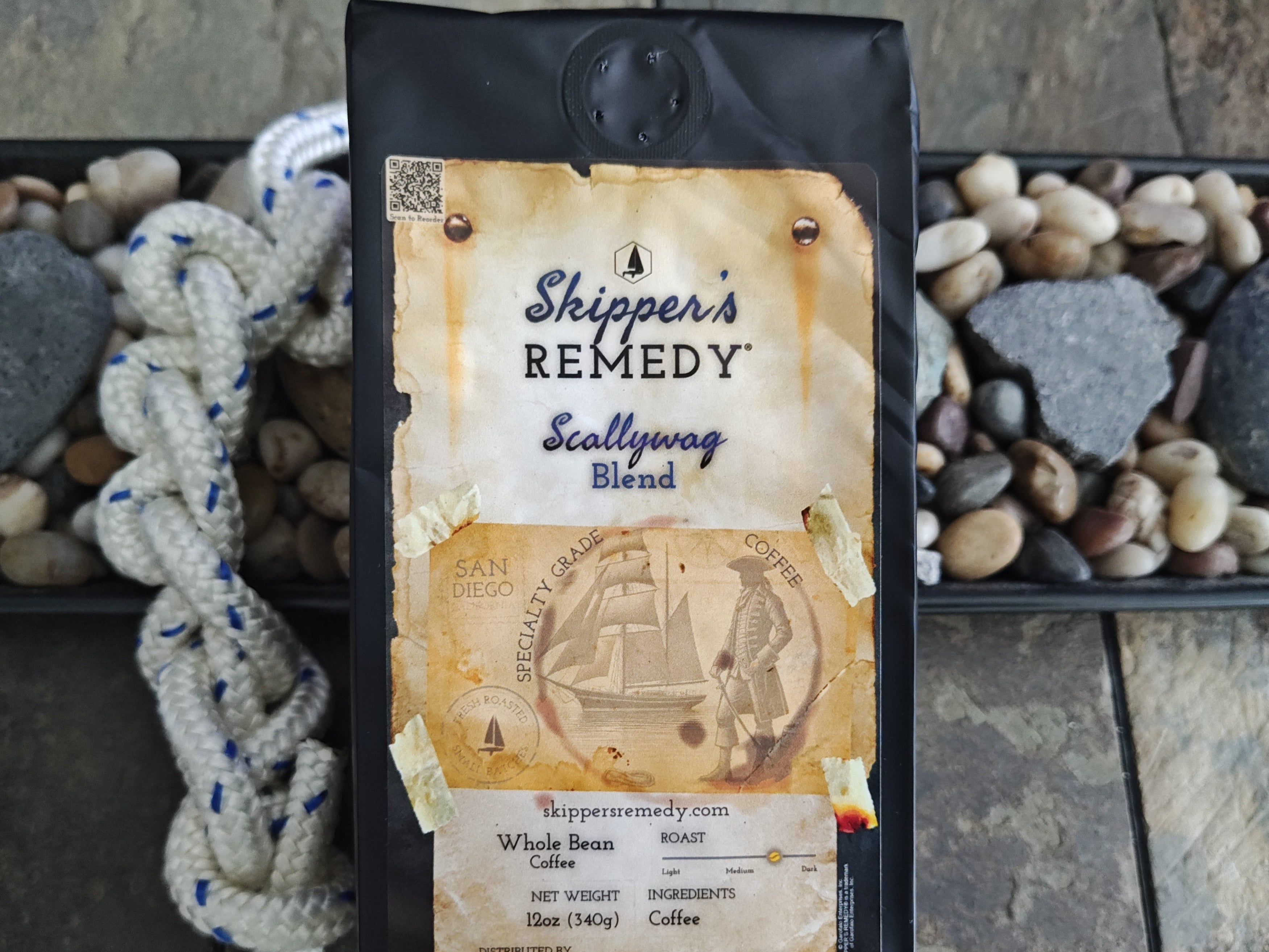
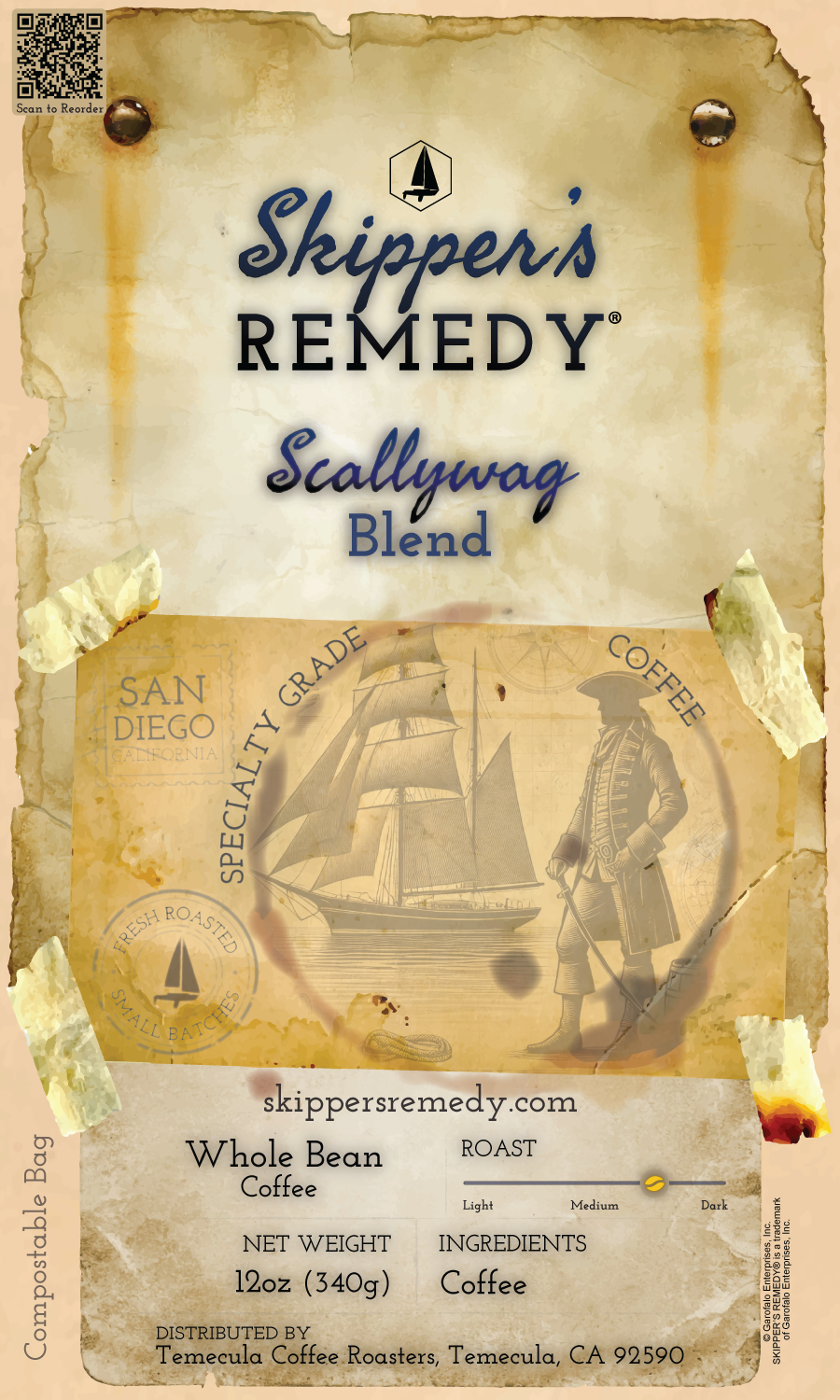
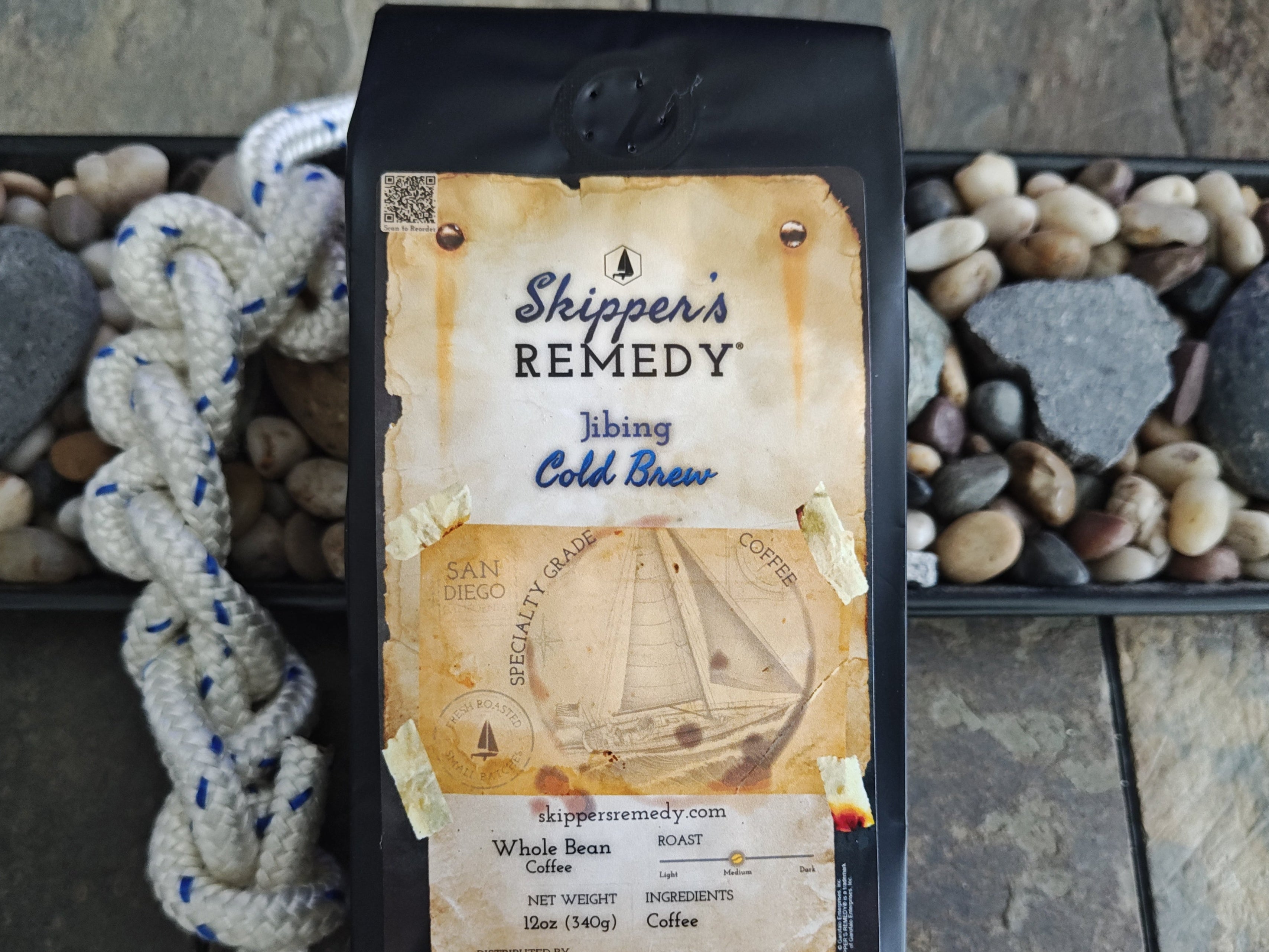
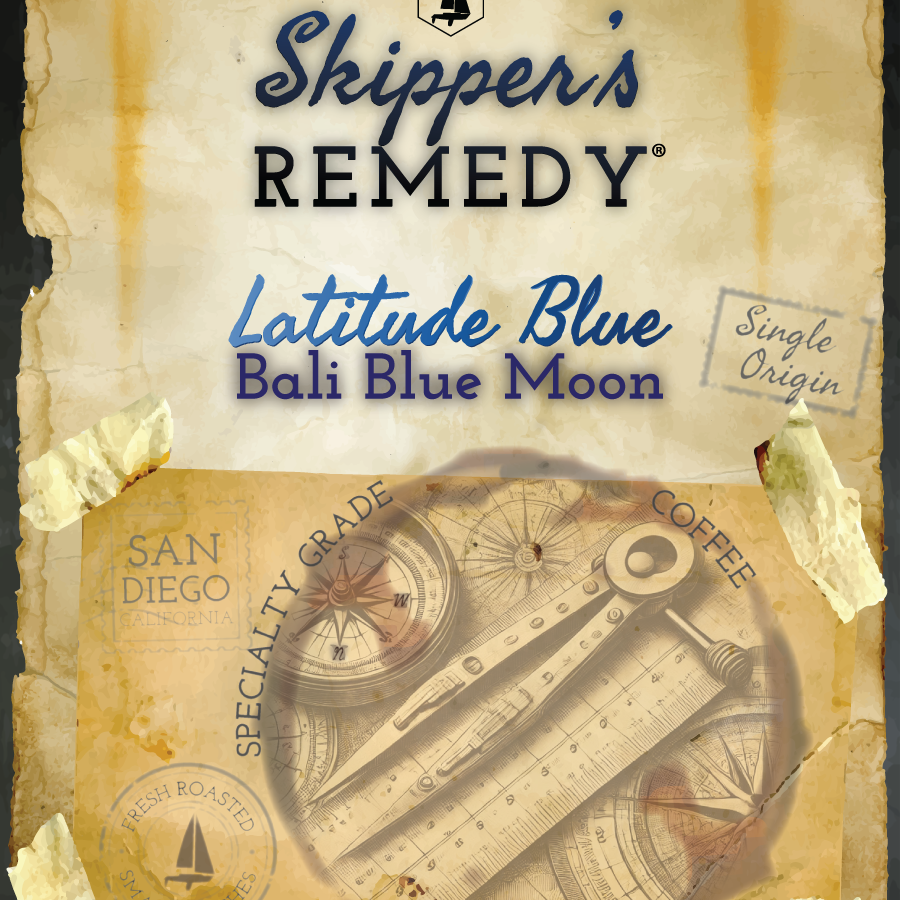
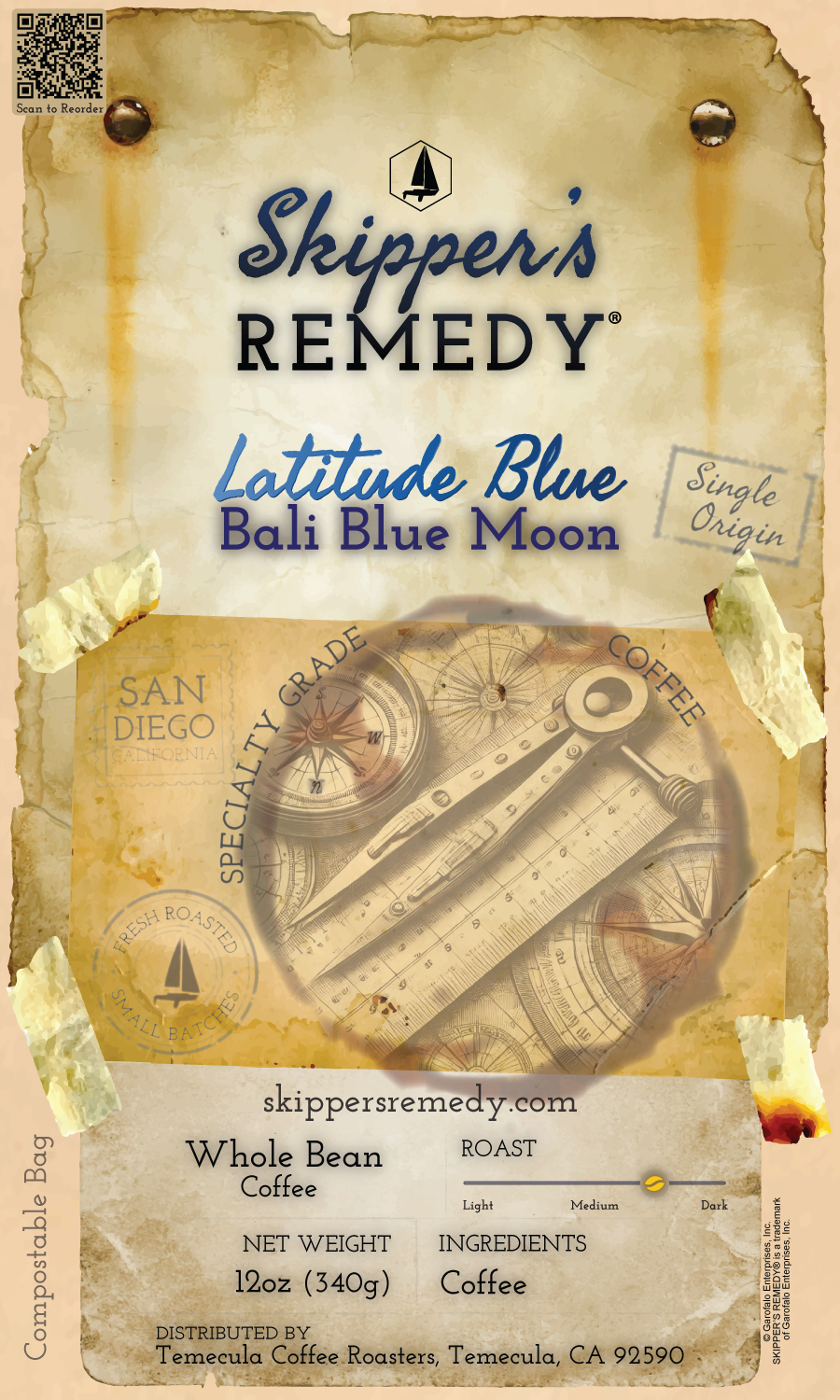
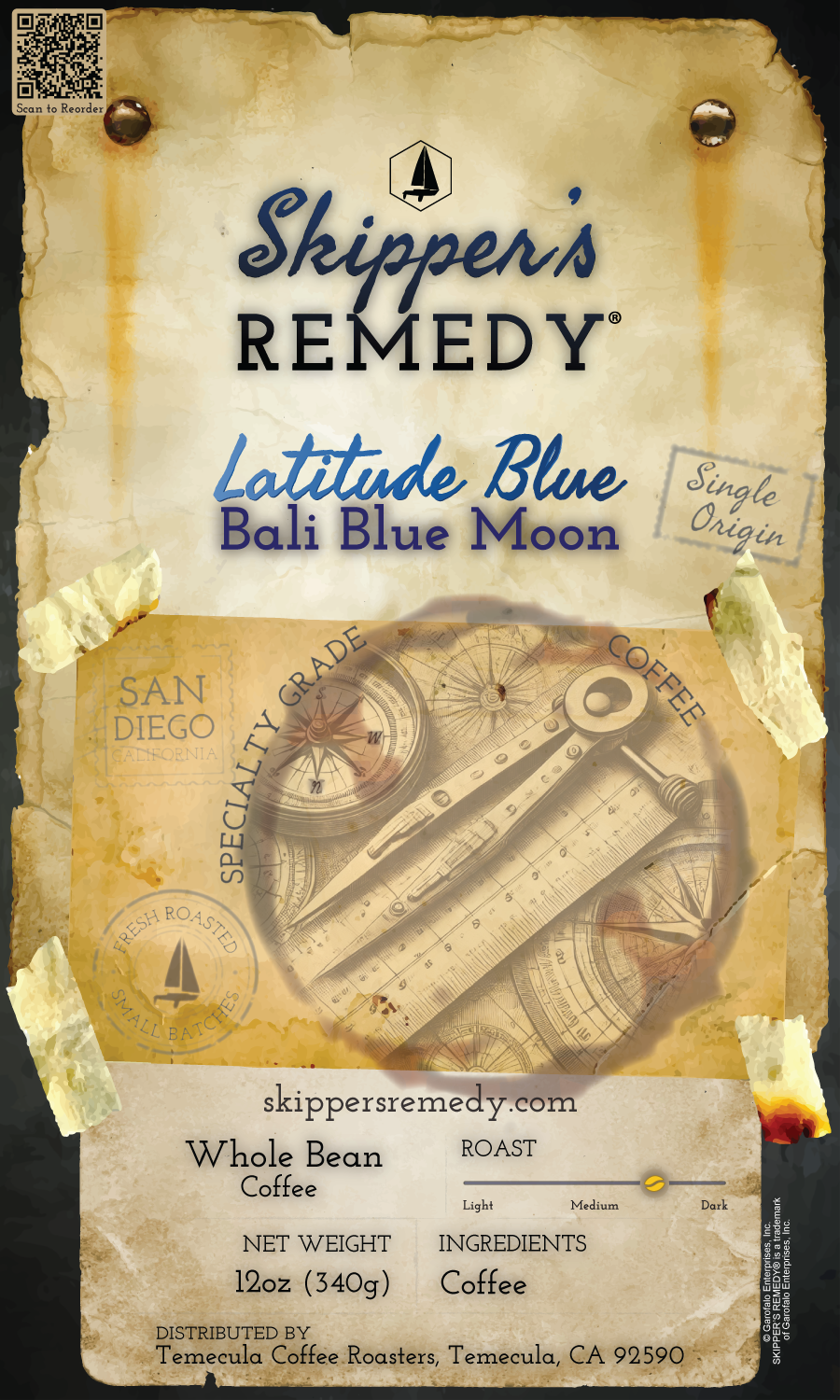
Whether you're an experienced skipper or just beginning to discover life on the water, we invite you to bring a little adventure to your daily routine with our specialty coffee and artisan tea. Explore our Latitude Blue - Bali Blue single-origin coffee roast or chart your course with our Compass Rose Blend coffee roast.
Because the best journeys don't just take you somewhere new.
They teach you something along the way.
Founded by a Sailor. Tested at Sea. Fueled by Wind & Coffee™.
Skipper’s Remedy® - Specialty Coffee & Artisan Tea for Life at Sea.
Fair winds, curious minds, and good coffee to all. ⚓☕🌊









0 comments