

Ever take a sip of coffee, read the tasting notes, and think... "Sure, I totally taste ‘stone fruit and wild honey'…"
(Meanwhile your brain is like: "This tastes like... coffee.")
You're not alone.
Building a coffee palate isn't about having a "fancy tongue." It's about training your senses ...just like learning to read the wind or chart a course. And the good news? You can start right now, no sommelier certification required.
Let's turn you from flavor guesser to flavor navigator.
Step 1: Don't Overcomplicate the Voyage
You don't need ten bags of coffee and a lab setup. In fact, that's the fastest way to confuse your senses.
Start with 2-3 specialty-grade coffees ...that's it.
Better yet, make them obviously different:
- Something bright and fruity (like a single-origin from Peru)
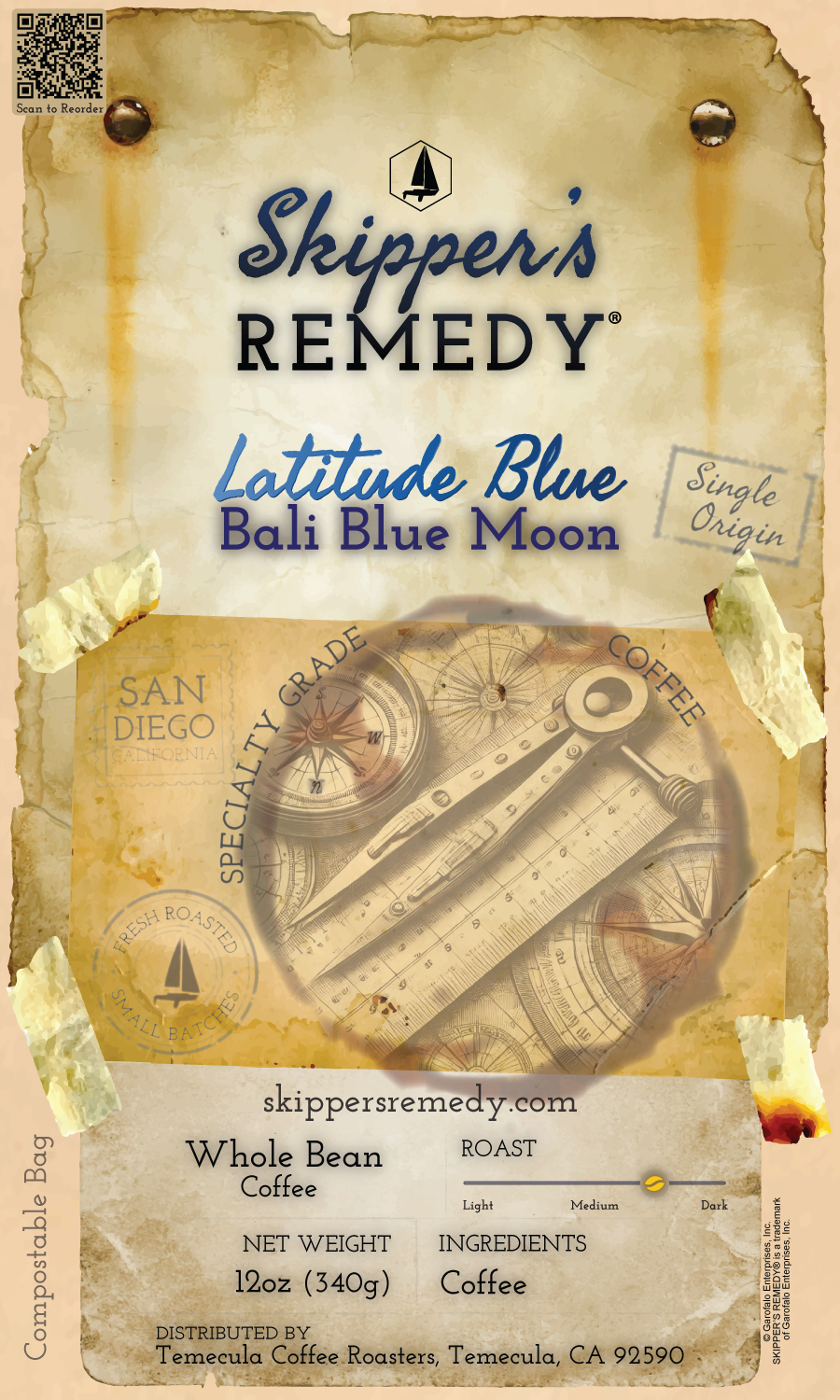
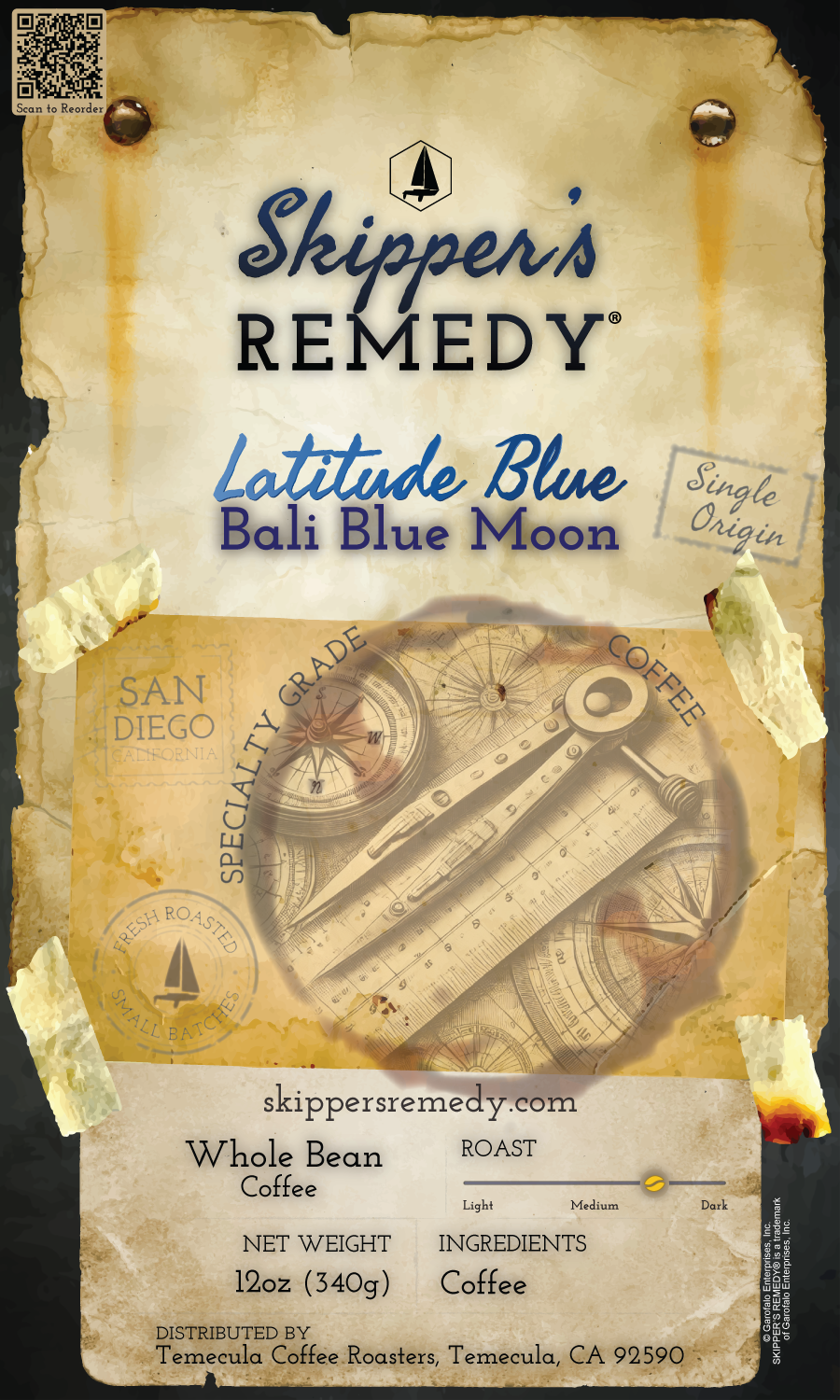
- Something rich and chocolatey (like a single-origin from Bali)
- Maybe something balanced and nutty for contrast
Your goal isn't to detect "hints of jasmine dancing in moonlight."
Your goal is simpler: notice the difference.
Once your brain locks onto contrast, everything else gets easier.
Step 2: Taste Like a Pro (a.k.a. The Side-by-Side Trick)
Here's where things get fun ...and fast.
Brew two coffees at the same time. Not one. Not "I'll remember what the last one tasted like." Two.
Now sip back and forth.
Ask yourself:
- Which one is brighter?
- Which one feels heavier?
- Which one lingers longer after you swallow?
That's it.
Comparison is the secret weapon. It's like looking at two charts side by side ...you instantly see what you'd miss alone.
Do this a few times, and suddenly your brain goes:
"Ohhh… THAT'S what bright means."
Step 3: Focus on the Four Essentials
Forget the poetic flavor novels (for now). Anchor yourself to these four:
1. Aroma: What you smell
Before you even sip, take a moment. That first impression? It matters more than you think.
2. Acidity: The brightness
Not sour ...lively. Think citrus, crispness, sparkle.
3. Body: The texture
Is it light like tea? Or rich and full like melted chocolate?
4. Aftertaste: The finish
What sticks around? And for how long?
That's your compass. Everything else builds from here.
Step 4: Repeat (Yes, Really)
Here's the part people skip ...and it's the whole game.
Do this daily (for a few days).
Even just one intentional comparison a day will sharpen your palate faster than you expect. Within a week, you'll start noticing differences. Within a few weeks, you'll start naming them.
And one day soon, you'll take a sip and think:
"Wait…that actually does taste like caramel."
That's the moment it clicks.
Final Bearing
You don't need a perfect vocabulary.
You don't need to be "right."
You just need to pay attention (like keeping a lookout).
Start simple. Taste side-by-side. Focus on the fundamentals. Repeat.
Before long, you won't just be drinking coffee...
you'll be experiencing it.
And trust us... it's a far better voyage that way.
Stop guessing. Start tasting.
Skipper's Remedy®








![Crimson Current - Kenya Nyeri Gura Peaberry [Navigator's Reserve: October 2026]](http://skippersremedy.com/cdn/shop/articles/background_banner_skippersremedy_NavigatorsReserve_2026October.png?v=1790273732&width=3840)

0 comments